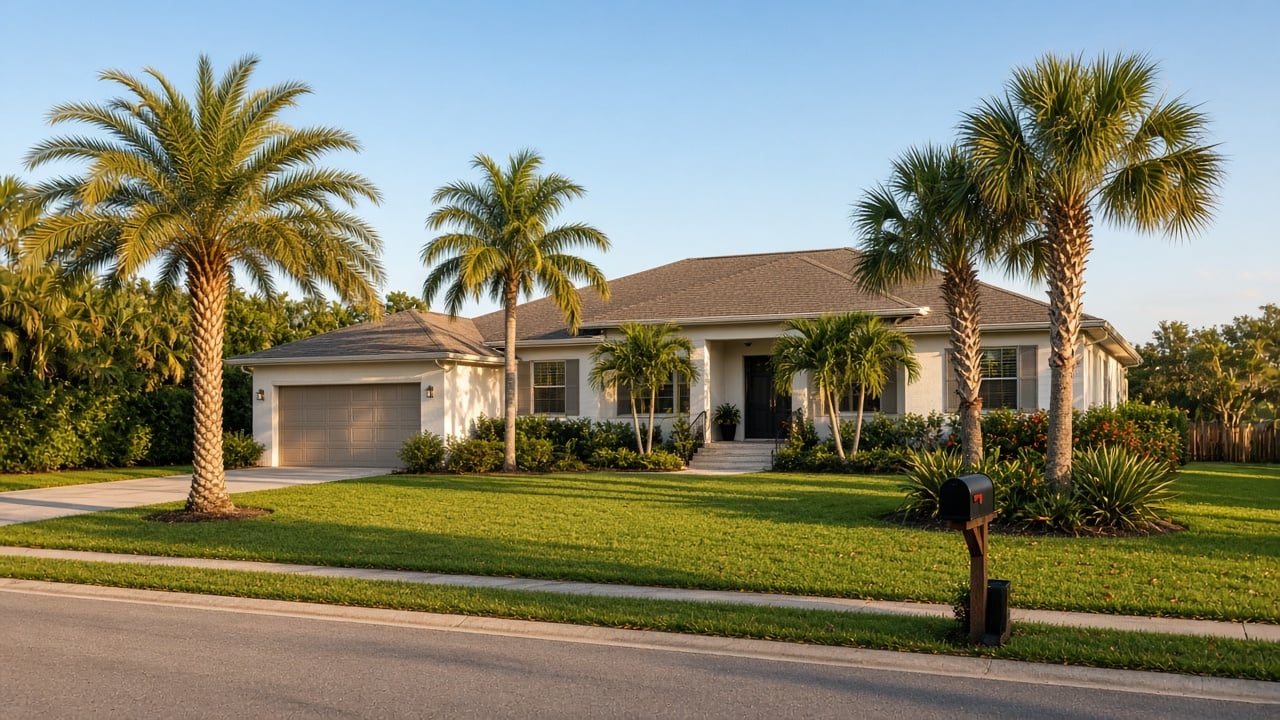
How to Look Up a Space Coast Home: Property Taxes, Millage and the Brevard Appraiser Site
I'm Jeremy Silber, a Space Coast Realtor with Dale Sorensen Real Estate, and one of the first habits I teach relocating buyers is simple: before you fall in love with a listing, look it up on the Brevard County Property Appraiser's website. The search is free, it takes a few minutes, and it tells you more about taxes, ownership and a home's history than a pretty photo ever will.
Whether you're comparing houses in Melbourne, touring new neighborhoods in Viera, looking at value in Palm Bay, or considering Merritt Island or Cocoa Beach, the official record is the same starting point. Here's how to use it, what the numbers actually mean, and where to go next if you want a clear picture of the tax bill.
Go to the Brevard County Property Appraiser Property Search. You can search by street address, owner name or parcel ID. I usually start with the address exactly as it appears on the listing, then confirm the parcel number matches what the seller or title company is using.
Once you open a property, spend time on the details, not just the headline value. The Appraiser's site also includes maps and links out to related records, such as deeds, plats and tax information. The Property Search is the office's most-used tool, and for good reason: it puts the public record in one place.
Buyers often mix these up, so I walk through them on every consult:
If the current owner has a homestead exemption, the taxable value you see is their taxable value, not yours. After a sale, the assessment typically resets closer to market, and the new owner's tax bill can be higher than the seller's last bill. That is one of the most important surprises I help buyers avoid.
Millage is simply the tax rate expressed as dollars per $1,000 of taxable value. A rate of 18 mills, for example, means $18 in tax for every $1,000 of taxable value. Brevard's total millage is a stack of rates: the county, the school district, a city if the home is inside one, and sometimes special districts for libraries, fire, recreation or roads.
Each property has a millage, or taxing district, code. You can find it on the property record and on the tax notice. The Tax Collector publishes the official rate tables, including the 2026 millage schedule. Rates vary from one city to another and between city and unincorporated areas, so a Melbourne home, a Viera-area home, a Palm Bay home, a Merritt Island home and a Cocoa Beach home will not necessarily share the same total rate. Always look up the specific parcel rather than assuming a countywide average.
The Property Appraiser also offers a Real Property Tax Estimator on the property Details tab. It is a convenience tool, and the office itself cautions that it uses assumptions, may rely on last year's information when newer figures are not yet available, and does not include every exemption, discount or non-ad valorem assessment. Use it as a starting point, not as a final tax bill.
The Property Appraiser values the property and applies exemptions. The Brevard County Tax Collector bills and collects the taxes. In late summer, Florida property owners receive a TRIM (Truth in Millage) notice, which shows proposed taxes before the final bill. If you are under contract in the fall, ask to see the current notice and talk through how a change in ownership could affect next year's bill.
Non-ad valorem assessments, such as solid waste or stormwater fees, can also appear on the tax bill. Those are not the same as millage, and they are easy to miss if you only look at the taxable value.
If the home will be your permanent Florida residence, homestead is the exemption you want to understand early. In general, you must own and occupy the home as your permanent residence on January 1, then file with the Property Appraiser by March 1 of the year you want the exemption to apply. Confirm the current year's deadline and document list at the BCPAO exemptions page, because the office posts the exact filing date each year.
Florida voters approved Amendment 3 on November 3, 2026, which is scheduled to increase the homestead exemption for non-school taxes beginning in 2027, while leaving the school-tax exemption structure in place. New residents may not receive the larger exemption immediately. The Legislature still has implementing work to do, so I tell clients to verify the latest details with the Property Appraiser rather than relying on campaign headlines. If you want a deeper walkthrough, I'm happy to talk through how homestead, portability and the new amendment could affect your next home.
Not by itself. The seller's bill reflects their assessed value and exemptions. After a sale, the assessment can reset, and you will not have their Save Our Homes cap. Use the official record as a baseline, then estimate a new-owner tax bill.
They may sit in different millage districts, have different exemptions, or have different assessed-value histories. A homesteaded owner who has lived in the home for years will often show a lower taxable value than a recent buyer of a similar house down the street.
Not necessarily. Just value is a tax roll figure, not a market appraisal. I still use comparable sales, the condition of the home, insurance and location to judge price.
If you're comparing Space Coast homes and want a local guide who will treat you like family, I'd love to help you read the property record, estimate taxes and find the right neighborhood. I'm Jeremy Silber, a Space Coast Realtor with Dale Sorensen Real Estate. Call or text me at 321-353-9864 or visit jeremysilber.com.
Stay up to date on the latest real estate trends.

Dining
Buyers

Dining
Relocation

Relocation

Space Coast

Florida
Market Updates

Florida
Get assistance in determining current property value, crafting a competitive offer, writing and negotiating a contract, and much more. Contact Jeremy today so he can guide you through the buying and selling process.
LET'S WORK TOGETHER