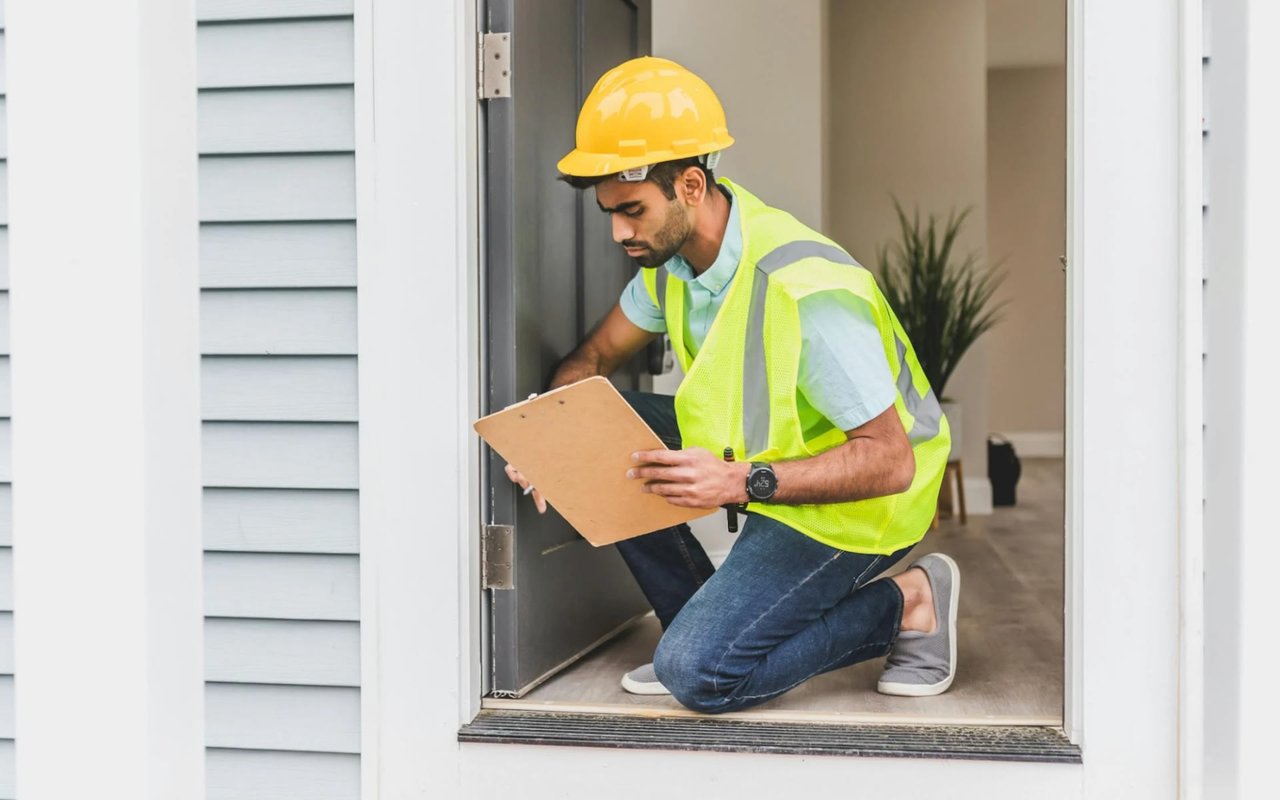
Selling a home is a major milestone in anyone’s life, often filled with both excitement and apprehension. Investing in a home inspection before listing your property is one way to ease the selling process and enhance buyer confidence. This step highlights your home’s condition and provides an opportunity to address any issues that might compromise a sale. Here's a comprehensive guide to understanding the benefits of a pre-listing home inspection and how to leverage it to your advantage in the real estate market.
Why Conduct a Pre-Listing Home Inspection?
1. Transparency and Trust: Providing a pre-listing inspection report to potential buyers shows transparency and builds trust. It demonstrates that you are forthright about the property’s condition, which can encourage more serious offers from buyers who feel more secure in their investment.
2. Preempting Negotiations: Knowing your home's issues beforehand allows you to make repairs that could become negotiation points later in the sale process. By addressing these problems early, you can list your home at a more accurate price, potentially speeding up the sale process and avoiding last-minute haggling over price reductions.
3. Enhancing Marketability: A home certified as inspected and issues-resolved home is more attractive to buyers. It stands out as a purchase-ready property, appealing to buyers eager to move in without the hassle of immediate repairs.
4. Saving Money: Discovering and addressing issues early on can save money in the long run. Handling repairs without the pressure of a pending sale allows for more time to shop around and choose cost-effective solutions rather than rushing and potentially overpaying during the closing phase.
What Does a Home Inspector Look For?
A professional home inspector focuses on the integrity and safety of your property. Here are key areas they assess:
Structural Elements: Checking the foundation, floors, walls, ceilings, and roof for signs of structural damage or wear.
Exterior Evaluation: Inspecting siding, windows, doors, and the integrity of balconies, decks, and other external structures.
Roof and Attic: Looking for proper ventilation, water damage, and the condition of the roof shingles and gutter system.
Plumbing: Identifying leaks, examining the conditions of pipes, drains, water heaters, and fixtures.
Electrical Systems: Ensuring all wiring, systems, and components like circuit breakers and light fixtures meet local safety standards.
Heating and Cooling Systems: Checking the age and condition of the furnace and air conditioning, and considering their maintenance history.
Interior Plumbing and Visible Insulation: Evaluating the conditions of walls, ceilings, floors, windows, and doors; the insulation in unfinished spaces; and the functioning of built-in appliances.
Fire Safety: Inspecting smoke detectors and fire safety equipment in the home.
Preparing for the Inspection
To make the most of your pre-listing inspection, prepare your home to ensure the inspector can access all necessary areas:
-
Provide Clear Access: Ensure that areas around the home, especially those around the furnace, water heater, and main water line, are clear.
-
Check Exterior: Remove any debris or obstacles that could block access to the exterior of the home, including the roof and foundation.
-
Prepare Appliances: Ensure all appliances are operational and easily accessible.
-
Documentation: Have any receipts or documents related to maintenance or repairs available for the inspector to review.
After the Inspection: Interpreting the Report
Once the inspection is complete, you’ll receive a report detailing the findings. This report can be quite comprehensive, so reviewing it thoroughly and discussing any significant issues with the inspector is important. Decide which recommendations to address based on their potential impact on the sale.
Addressing Issues Before Listing
After reviewing the inspection report, prioritize any issues that could deter buyers or lead to lower offers. Major systems like plumbing, electrical, and the roof are often top priorities, as problems in these areas can be deal-breakers. Decide whether to make repairs or disclose the issues and reflect them in the listing price.
Specific Considerations for Florida
Hurricane Protection: Due to Florida's susceptibility to hurricanes, inspectors often check for wind mitigation measures, such as the integrity and installation of hurricane shutters, impact-resistant windows, and reinforced garage doors. Ensuring that roofs and windows can withstand high winds is crucial.
Moisture and Water Damage: Florida's high humidity and frequent rain can lead to moisture issues in homes. Inspectors look for signs of water damage, leaks, and potential areas where mold could grow. They check the condition of the roof, ceilings, and walls for any signs of water intrusion.
Air Conditioning Systems: Given the warm climate, functioning air conditioning systems are critical in Florida homes. Inspectors examine the age, condition, and maintenance history of HVAC systems to ensure they are operating efficiently.
Pest Inspection: Florida homes are prone to infestations by termites and other pests due to the warm, humid environment. Inspectors often look for signs of current or past infestations and any damage caused by pests.
Foundation and Structural Integrity: The sandy soil and occasional sinkholes in Florida necessitate thorough checks of a home’s foundation and overall structural integrity. Inspectors assess for any cracks or shifts in the foundation, as well as other structural components of the home.
Plumbing Systems: Inspectors check plumbing systems for leaks, proper function, and signs of corrosion or wear, which can be accelerated by the local water quality in some Florida areas.
Electrical Systems: Given the age of some properties and the potential for corrosion due to humidity, electrical systems are carefully evaluated. This includes checking the electrical panel, wiring, outlets, and safety switches to ensure they meet current standards.
These focus areas help ensure that homes in Florida are safe, secure, and suitable for the unique environmental conditions of the state.
Partnering with Jeremy Silber
Navigating the complexities of home inspections and real estate transactions can be overwhelming. Partnering with an experienced real estate professional like Jeremy Silber can make all the difference. Jeremy’s expertise in the Viera, FL, market ensures that you have the guidance and support you need, whether buying or selling a home. With Jeremy’s assistance, you can confidently navigate your real estate transactions, knowing every detail is handled with professional care.
Contact Jeremy Silber today to learn more about how he can assist you in getting your home inspected and ready for a successful sale or to find your next dream home in the vibrant Viera community. Embrace the future of real estate with Jeremy’s trusted expertise and dedicated service.