By Jeremy Silber, REALTOR® | Dale Sorensen Real Estate | Updated Nov. 2, 2026
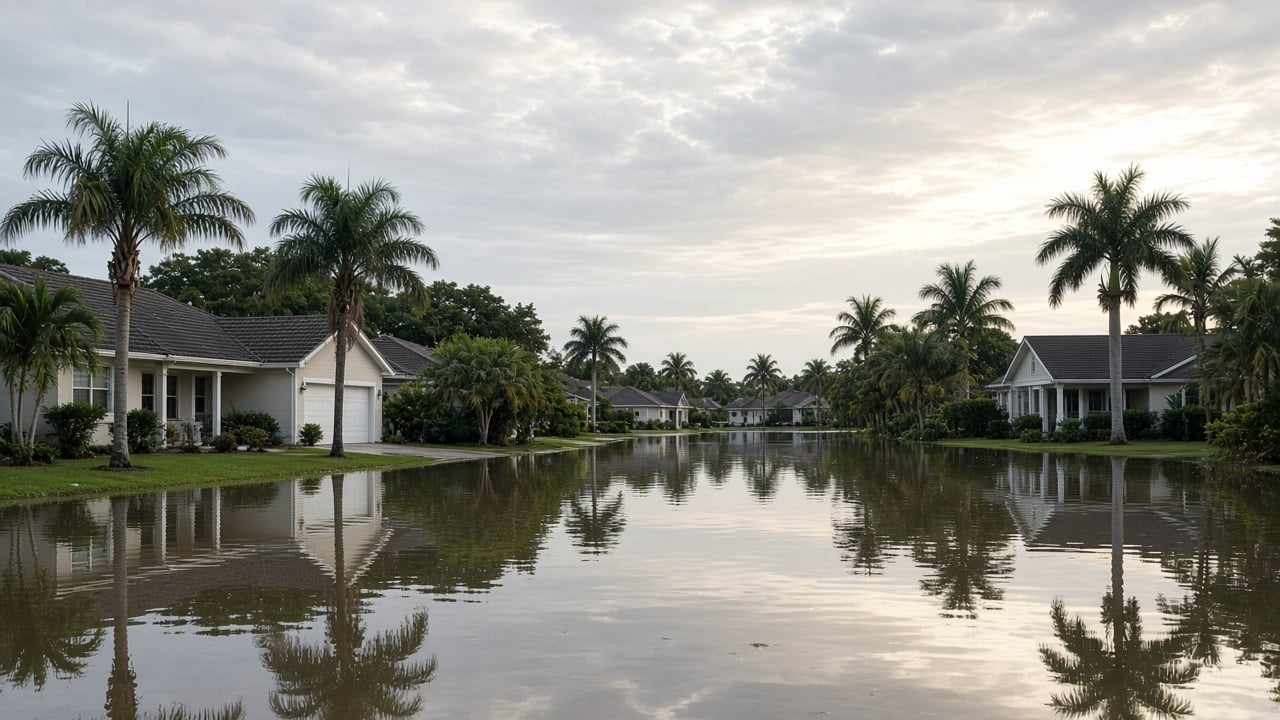
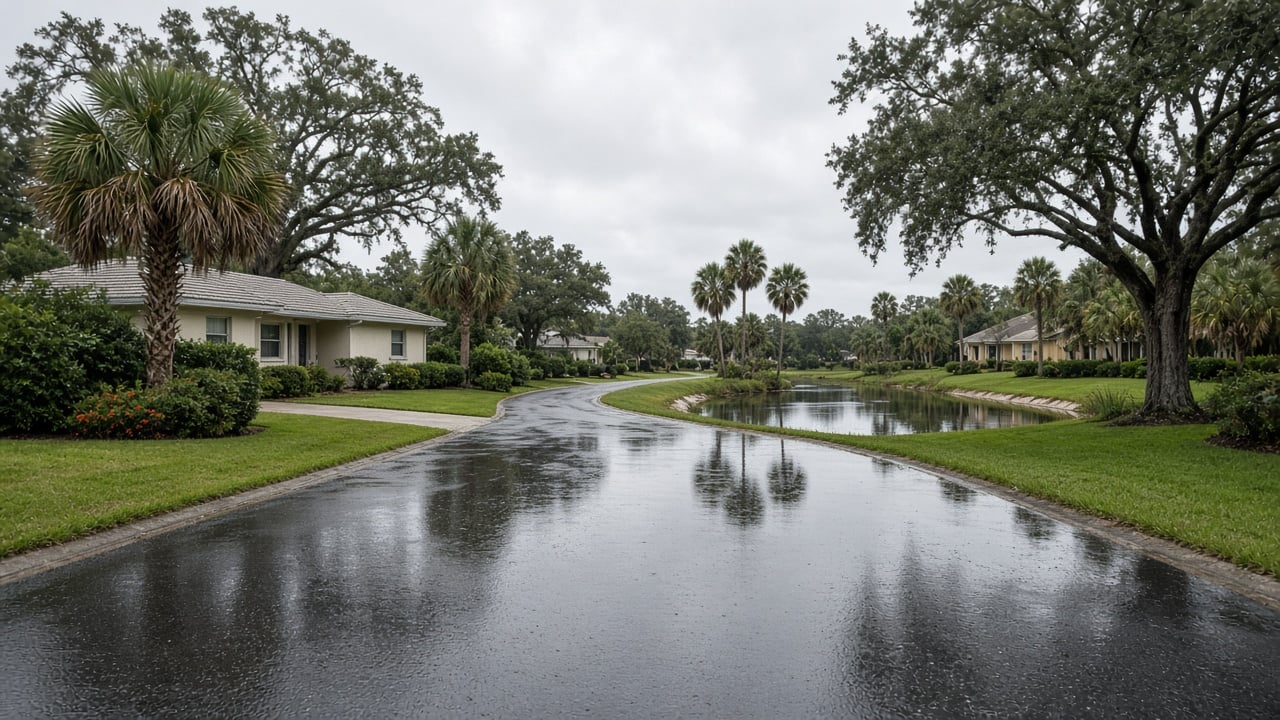
Our Space Coast neighbors are hurting today. The National Weather Service issued a Flash Flood Emergency for Palm Bay, West Melbourne and Grant-Valkaria on Monday, Nov. 2, after 15 to 20 inches of rain fell in a matter of hours. The City of Palm Bay issued a shelter-in-place advisory, many roads are closed or washed out, and some neighborhoods can't be reached at all. I put this guide together so you have trusted websites, phone numbers and practical dos and don'ts in one place for your home and your car. Please share it with anyone who might need it.
Conditions are changing quickly. Always follow the latest instructions from Brevard County Emergency Management, your city and the National Weather Service.
What to Do Right Now: Safety First
- If your life is in danger, call 911. If water is rising inside your home, move to the highest floor. Only go into the attic if you can get out through a roof opening.
- Stay off the roads. Turn around, don't drown. Just 6 inches of moving water can knock you off your feet, and 12 inches can float a car. Most flood deaths happen in vehicles.
- Stay out of floodwater. It can carry sewage, chemicals, debris, snakes and live electrical current.
- Stay away from downed power lines and report them to FPL or call 911.
- Palm Bay residents: please conserve water. A water main break on Port Malabar Blvd. NE has shut off service in some areas. Once service is restored, affected customers will be under a precautionary boil water notice until the city lifts it.
- Sign up for alerts: register with AlertBrevard or text BREVARDEOC to 888777.
- Check on neighbors, especially older residents and anyone with medical needs, but only when it's safe to do so.
Flooded Home: DOs and DON'Ts
DO
- Wait until officials say it's safe before you go back in. Watch for structural damage, gas smells and wildlife.
- Turn off the power at the main breaker, but only if you can reach it while standing somewhere dry. If you can't, call FPL or an electrician.
- Take photos and video of everything before you clean up. Get the water line on the walls, every room, appliances, flooring and damaged belongings. Keep samples of carpet or flooring if you can.
- Call your insurance company right away. Flood damage is usually covered by a separate flood policy (NFIP or private), not your standard homeowners policy. Report wind or roof damage to your homeowners insurer.
- Prevent further damage, for example by tarping or pulling out wet materials, and keep every receipt. Reasonable mitigation costs are often reimbursable.
- Dry things out fast. Mold can start growing within 24 to 48 hours. Open windows, run fans and dehumidifiers once the power is safe, and remove soaked drywall, insulation and carpet.
- If you're on a private well that may have flooded, don't drink the water until it has been disinfected and tested. The Florida Department of Health in Brevard has guidance on well water and mold.
- Check that any contractor is licensed at MyFloridaLicense.com before you sign anything.
DON'T
- Don't use electrical appliances or outlets that got wet until an electrician has checked them.
- Don't run a generator indoors or in a garage. Carbon monoxide kills.
- Don't throw away damaged items until you've photographed them and your adjuster says it's okay, or you've listed them in detail.
- Don't pay a contractor in full upfront or sign over your insurance benefits to a contractor in a rush. Be wary of anyone who knocks on your door.
- Don't drink tap water under a boil water notice unless you've boiled it first.
- Don't let kids or pets play in floodwater.
Flooded Car: DOs and DON'Ts
DO
- Photograph the car and the water line inside and out, including the dashboard and seats.
- Call your auto insurer. Flood damage to a car is usually covered under comprehensive coverage, not liability-only policies.
- Disconnect the battery if you can do it safely, and have the car towed to a mechanic or wherever your insurer tells you.
- Open the doors and windows to dry it out, and remove wet floor mats and carpet to slow mold growth.
DON'T
- Don't try to start the car. Water in the engine can cause hydrolock and catastrophic damage, and it may affect your claim.
- Don't drive through standing water to "test" the car or to get anywhere.
- Don't buy a used car in the months after a flood without checking it. Flood-damaged vehicles often get resold. Run the VIN through the free NICB VINCheck, order a vehicle history report and look for a flood or salvage title brand. Signs to watch for include musty smells, silt under the carpet, fogged lights and rust in unusual places.
Insurance Claim Tips
- Report your claim as soon as you can, and write down your claim number and every person you talk to.
- If you have flood insurance through the NFIP, your insurer handles the claim. FloodSmart.gov explains the process.
- Make a room-by-room inventory of damaged items, with photos, approximate ages and costs.
- Keep receipts for hotels, meals, cleanup supplies and repairs.
- If you're having trouble with your insurer, call the Florida Department of Financial Services Insurance Consumer Helpline at 1-877-693-5236. It's free.
- If a federal disaster declaration is made, you may qualify for help through DisasterAssistance.gov or by calling FEMA at 1-800-621-3362. FEMA assistance requires a declaration, so check before you apply.
Resource Directory
We're in This Together
The Space Coast is my home, and the people of Palm Bay, West Melbourne, Melbourne and all of Brevard are my neighbors. I treat every client like family, and in times like this, that goes for our whole community. If you have questions about your home or what comes next, or you just need help finding the right resource, please call or text me. I'm not selling anything here. I just want to help.
Stay safe, stay off flooded roads, and look out for one another.
Jeremy Silber, REALTOR®
Space Coast Realtor | Dale Sorensen Real Estate
Phone: 321-353-9864
https://jeremysilber.com